MIDSUMMER PEONY FIREWORKS
June’s garden delights continue. This week has kicked off one of the most anticipated spectacles of the year: the arrival of peony blossoms. Over the last few weeks, the buds on our herbaceous peonies have grown higher and higher, swelling to the size of campfire marshmallows and crawling with hungry swarms of large black ants. The insects eagerly lap up the sticky-sweet secretions on the plant’s sepals, the protective green outer parts of the unopened flowers. Following a few sunny, warm days, the first of the buds have cracked open, releasing their intoxicating, heady scent into the air and dazzling my eyes with a showy display of blousy blossoms the size of cereal bowls.
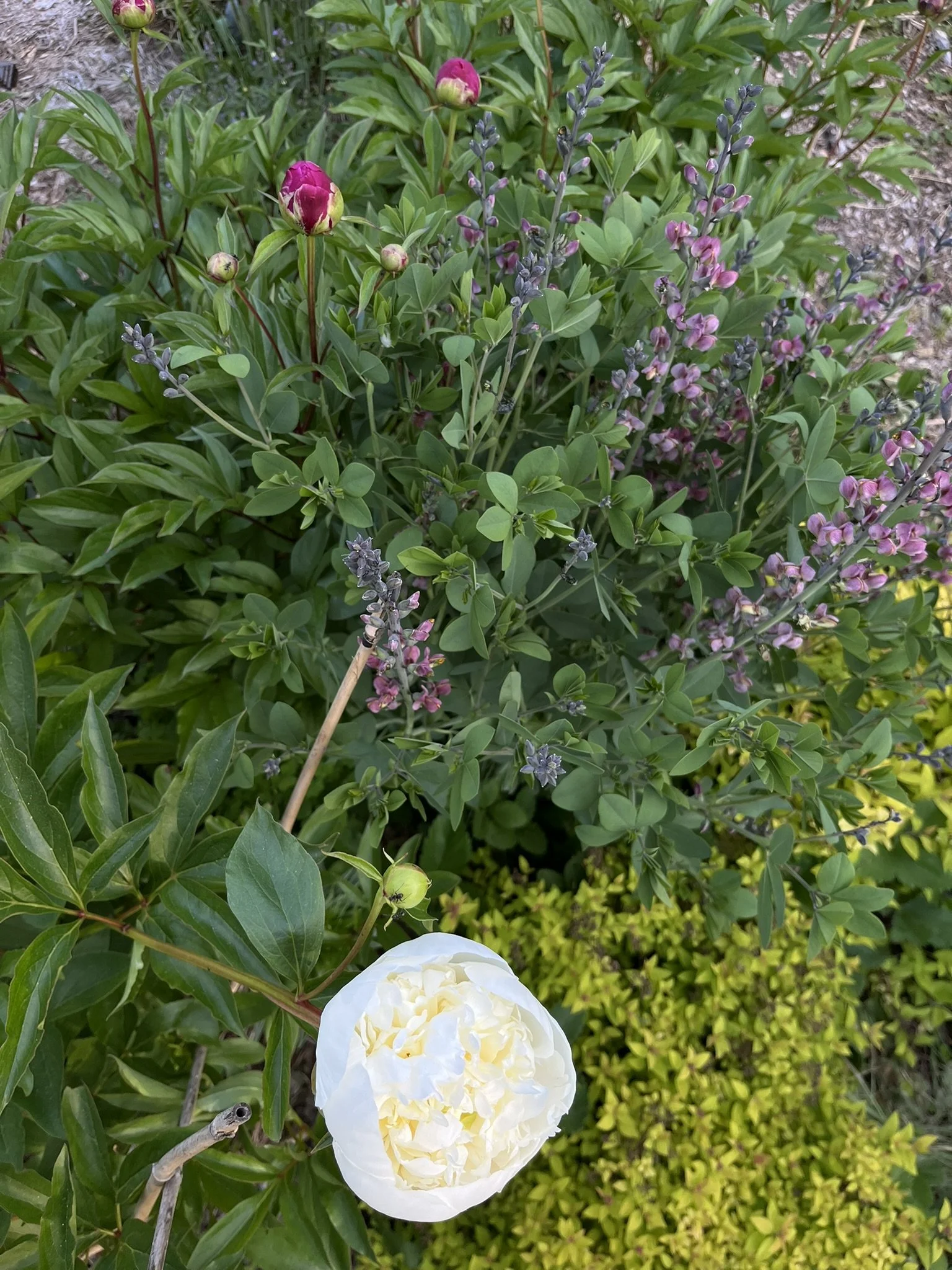
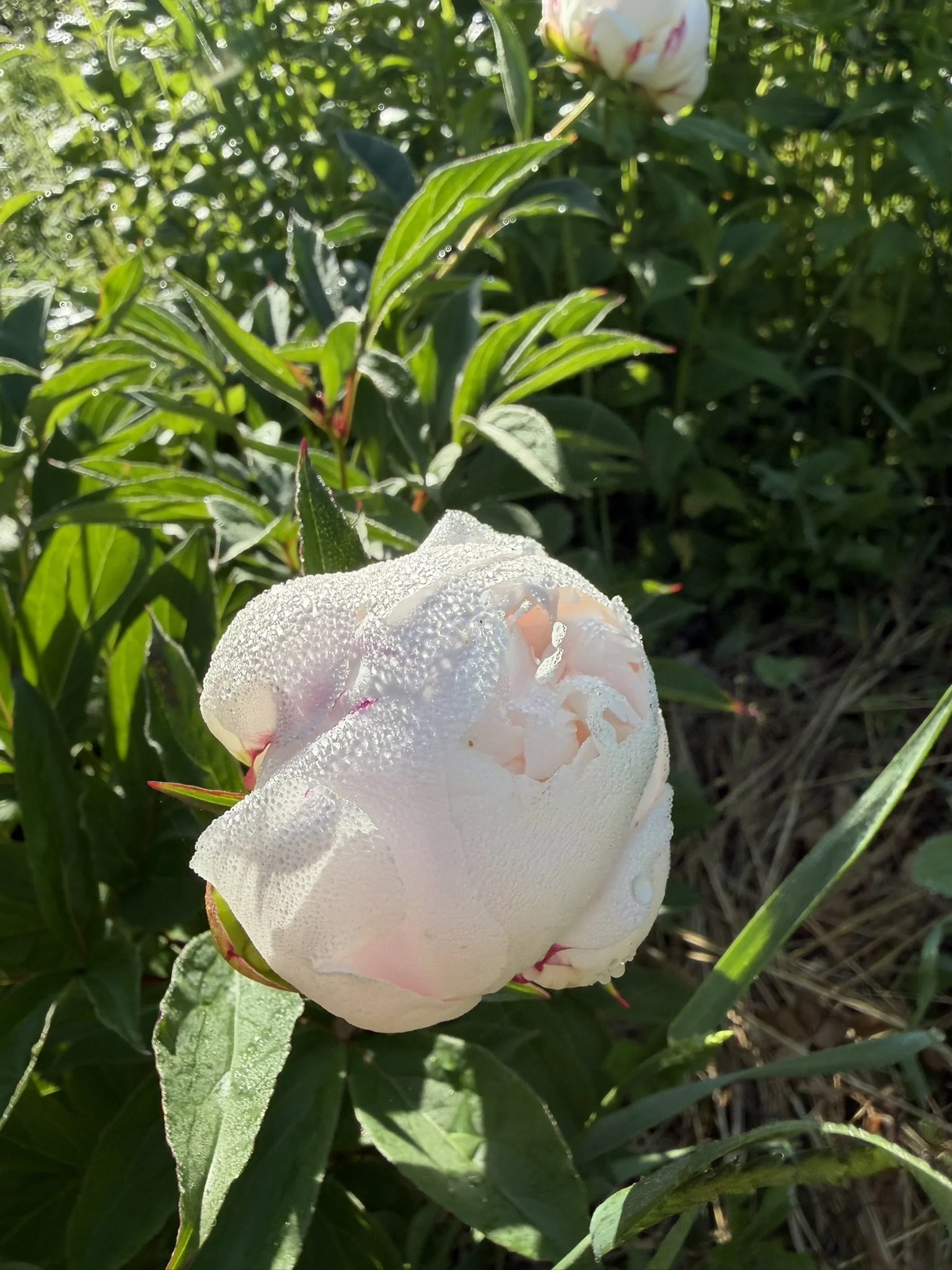
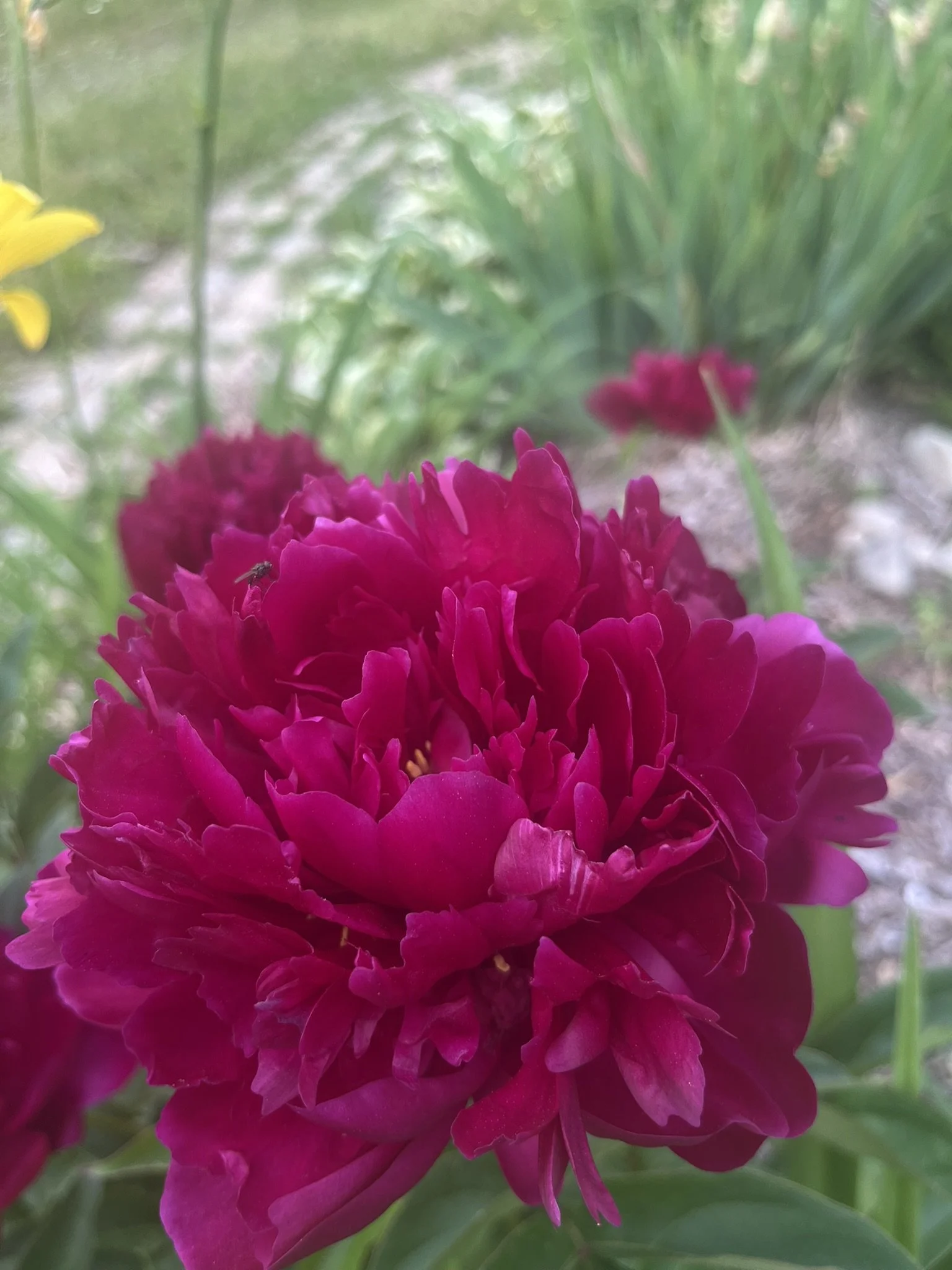
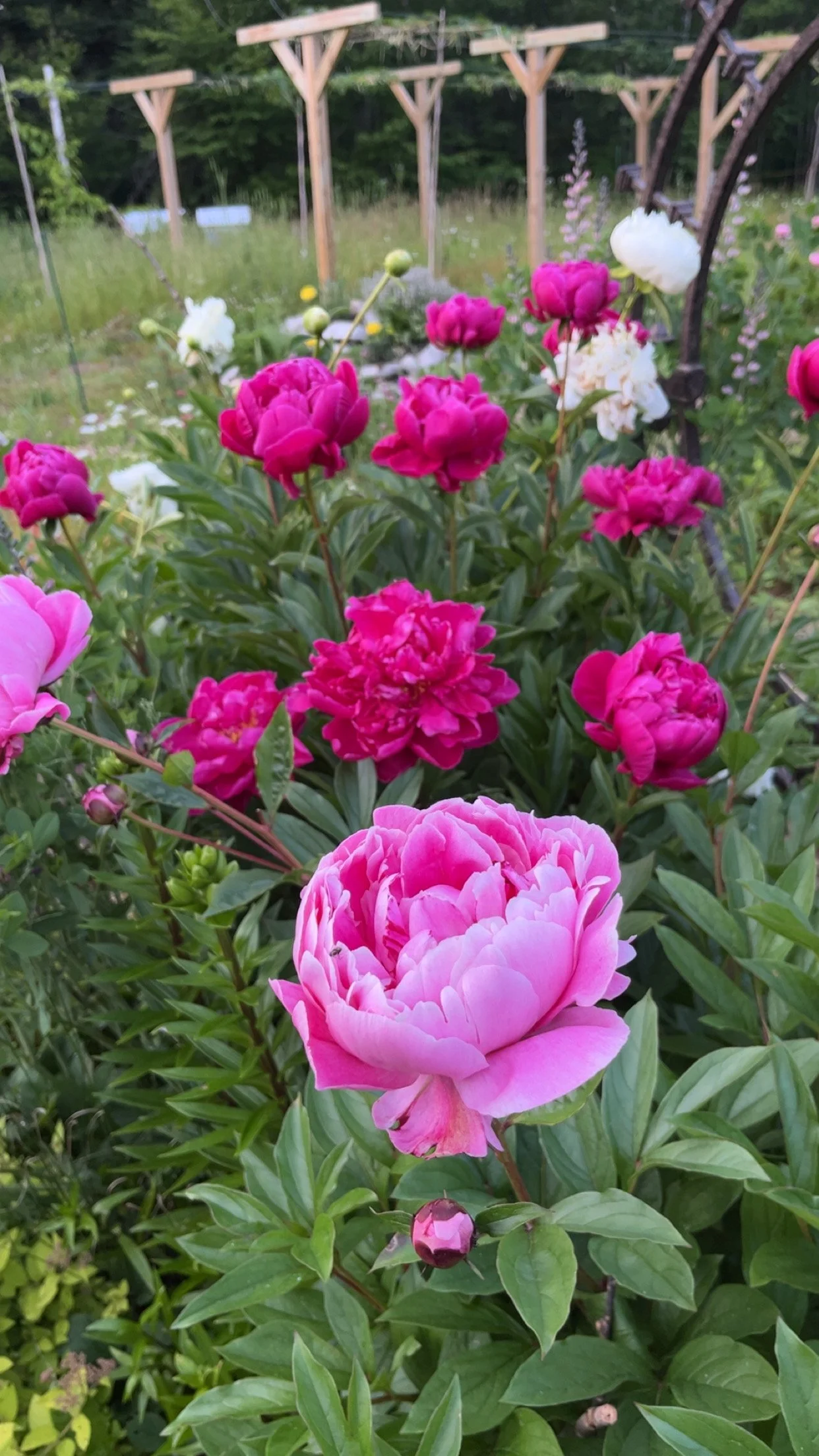
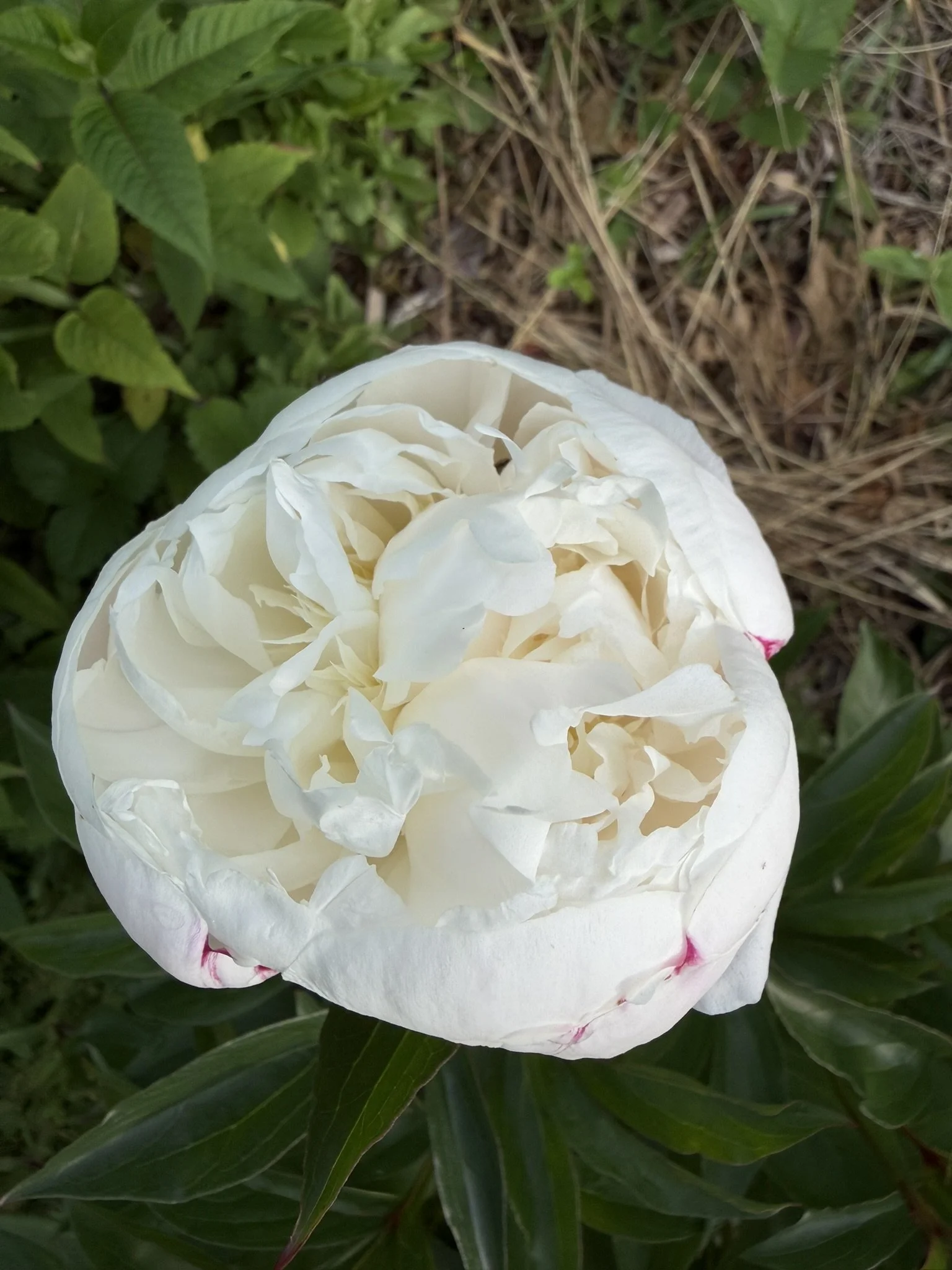
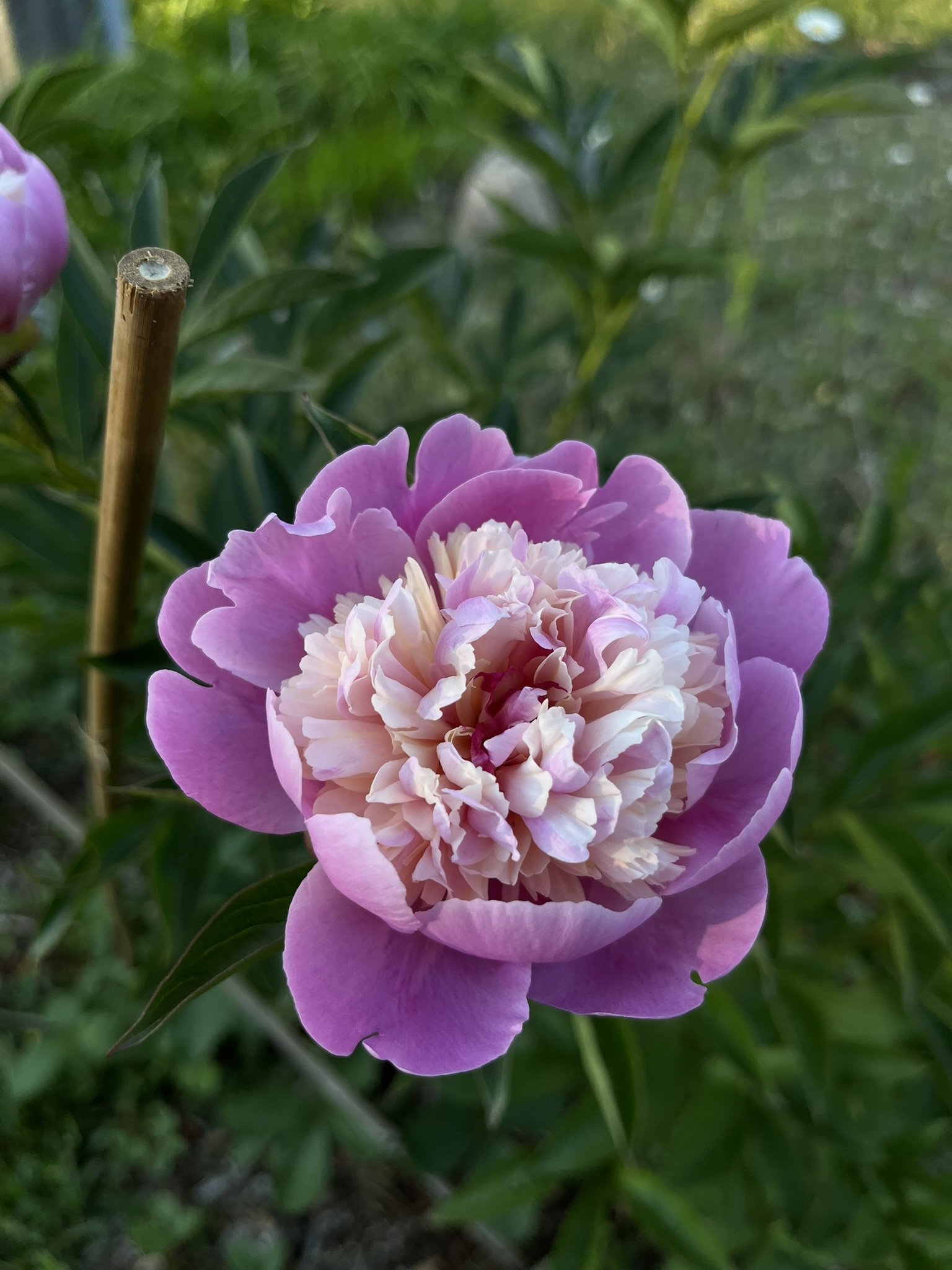
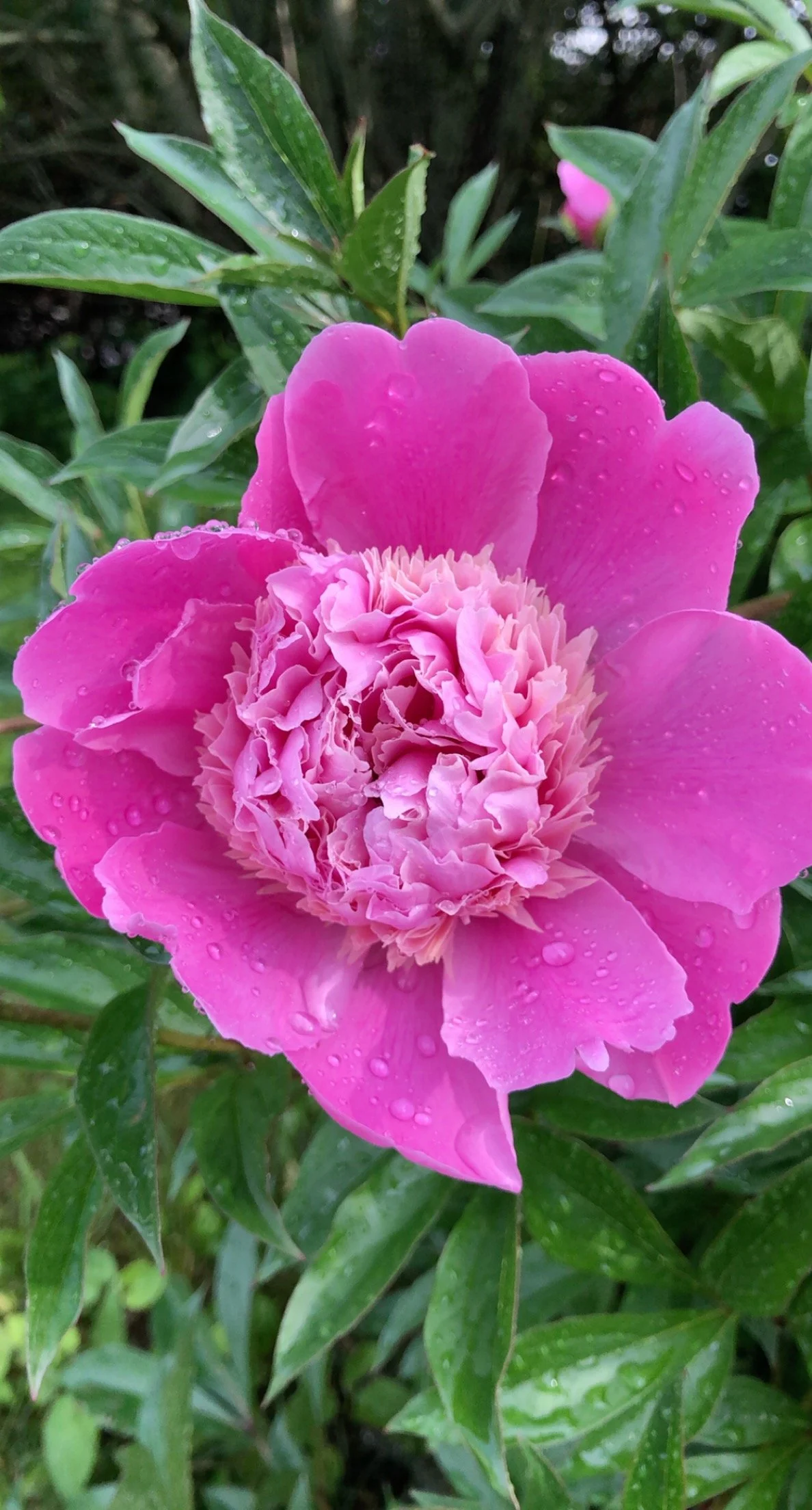
Peonies have been cultivated for centuries, with the earliest ornamental varieties originating in East Asia and spreading throughout Europe and eventually the Americas. According to Monticello.org, Thomas Jefferson noted the plants among a list of hardy perennials in 1771. There are three main types of peonies under cultivation: herbaceous peonies, tree peonies, and intersectional peonies. Herbaceous peonies are the classic garden peony. They emerge each spring from a crown hidden under a thin layer of soil, bloom in late spring to early summer, and die back to the ground in the fall. Tree peonies are woody shrubs with stems that persist above ground all year and produce the largest peony blossoms on strong stems that require no support. Intersectional peonies, sometimes referred to as Itoh peonies, are hybrid crosses of woody peonies and herbaceous peonies. They produce strong stems like the woody species but die back to the ground each winter like herbaceous peonies.
In my garden, I grow primarily herbaceous peonies cultivated from the Paeonia lactiflora species. These are exceptionally hardy, with many cultivars able to survive temperatures down to minus 40 degrees Fahrenheit. Cultivars in this species produce blooms in a variety of colors, shapes, and fragrances. They also make good cut flowers, with long, straight stems perfect for a tall vase. I expect most of these beauties to live for many decades, perhaps 50 years or more. I only have one small tree peony in my garden, but they can live for centuries. The herbaceous peonies in my beds also provide multiple seasons of interest. They have blooms in late spring and early summer, rich, glossy foliage throughout the growing season, and fiery oranges and reds in the fall.
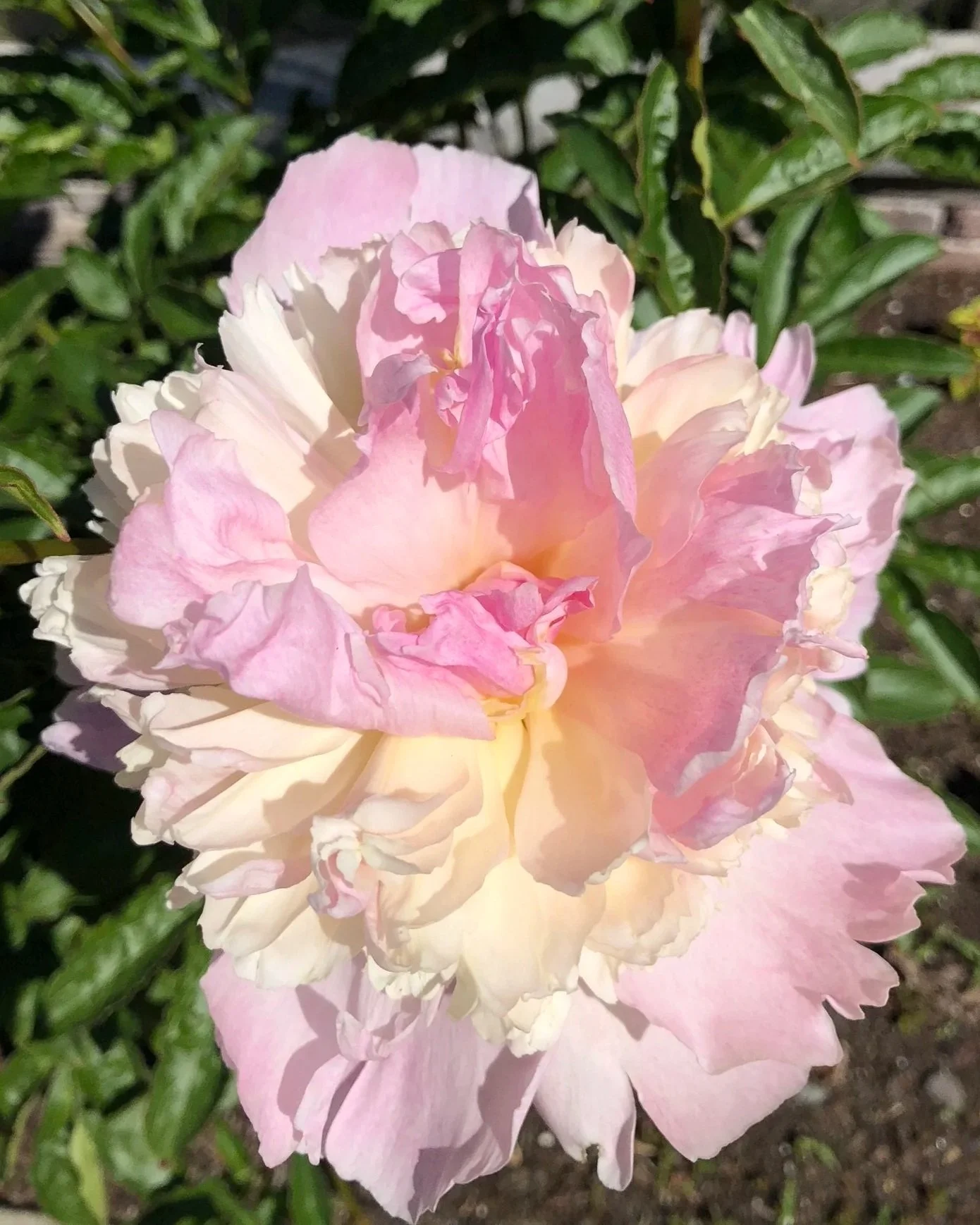
Angel Cheeks
Careful placement is key to the long-term success of peonies. When planting a new peony, I choose a bright location that receives at least six hours of full sun each day. Most of the soil in my garden, before amendments, was gravel and sand with a few car-sized boulders mixed in. This isn’t an ideal mix for peonies, but I added a good helping of compost for a little moisture retention and a shot of nutrients for the growing plants. Each spring, I add an inch or two of fresh compost for increased fertility, taking care to avoid the very top of the plant. Peonies thrive in well-drained soil and can die back if they sit in water for too long, so I would avoid planting them in heavy clay. When selecting a location for a new peony, I consider the entire growing season, treating the plant as a two to three foot flowering shrub. The lush foliage can be a decent backdrop for other plants in a flower bed. That said, I like to place a few peonies, especially fragrant cultivars, along the edges of paths. Keep in mind that the heavy blossoms might need support, especially near a path where the flower heads may fall into the walkway.
Early fall is the best time to plant new peonies, and now is a great time to order for fall shipment. Herbaceous peonies grow from meaty tubers and have eyes, or growth points, like a potato. Peonies will not produce flowers if the eyes are buried too deeply. I bury my tubers about an inch below the soil, and, as I mentioned earlier, when I add compost in the spring, I am careful not to pile it onto the growth points. I do not add any high-nitrogen fertilizer to my peonies, such as blood meal or other high-nitrogen conventional fertilizer. This will encourage lots of leafy green growth at the expense of flowers. If you’re ordering peonies, consider the blooming period. Selecting early, midseason, and late-season cultivars will extend the joy of peonies in your garden space for up to four or five weeks.
Herbaceous peonies produce large flower heads on relatively thin stems. Some cultivars are stronger than others, but I add support to all of mine. You never know when a thunderstorm will come and push your blossoms into the mud. Peony cages can be purchased at a garden center, or you can make your own supports. I use bamboo and foraged maple sapling stakes, pushing them into the ground at opposing 60-degree angles. This makes a rudimentary cage around the shrubs and provides enough support to keep the heavy flower heads off the ground.
A peony does not bloom for the whole summer, and perhaps that is why we appreciate it so deeply. It arrives heavy and fragrant, the fireworks of the garden. Perhaps try them in your space and enjoy them for decades of summers to come.