QUICK CROPS FOR COOLER DAYS
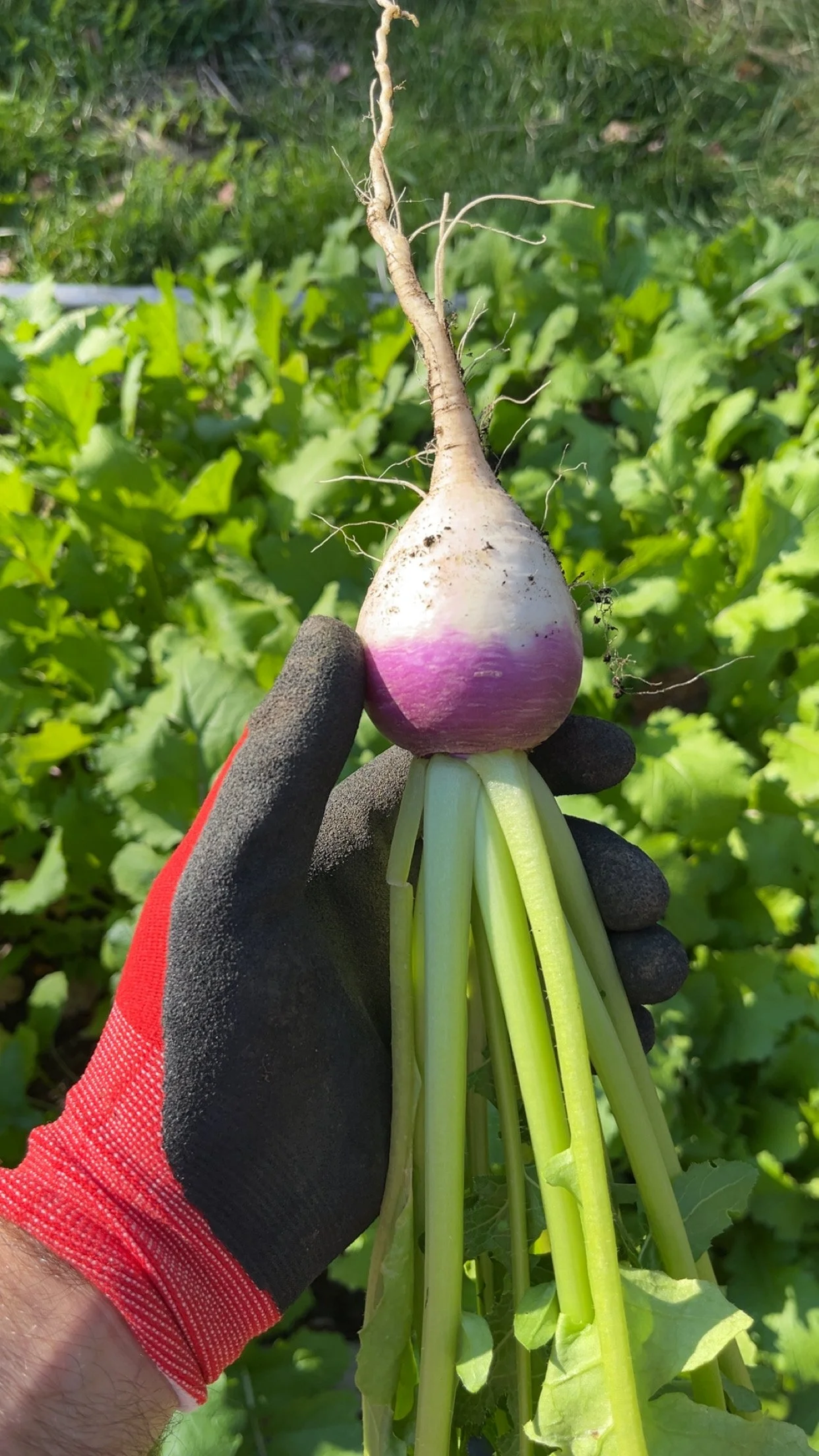
Sweet, crisp turnips we harvested in October 2025
It may feel as though the garden is winding down. In the last article, we harvested our garlic. Over the past few weeks, our dill has gone to seed, the lettuce has bolted, and the peas stopped producing some time ago. The growing season isn’t quite over, though, and the beds that held those summer crops are ready for their second act. There’s still enough time to sow several fast-growing, cold-tolerant vegetables.
The first thing to do was clean out the spent vegetable beds. We use raised beds for most of our vegetables. I find that they make it easier to enrich the soil, control weeds, and keep the soil loose. Loose, easily workable soil is especially well suited to beets, radishes, turnips, and other root crops. Compacted soil, or soil containing large rocks or other debris, can cause misshapen or stunted roots. However, it is perfectly fine to grow vegetables directly in the ground. Raised beds aren’t necessary for a successful harvest.
Once I had removed the spent stems and weeds from the earlier crops, I added two to three inches of fresh compost to the beds and evened the surface with a cultivator rake. The compost replenishes some of the nutrients used by the vegetables and herbs that grew there through the summer.
We planted fall crops in three beds this year. In the former garlic bed, we selected early beets, ready in about 50 days. In the bed that housed our dill and other herbs, we selected radishes, ready to harvest in 25 to 30 days, and broccoli raab, which should be ready for its first harvest in approximately 40 days. Finally, in the bed that produced our midsummer peas and lettuce, we chose bok choy, ready in around 45 days, and early sugar snap peas. The peas should be ready to pick about 60 days after sowing and will use the same trellises that the earlier crop climbed.
With their varied maturity dates, I expect a staggered harvest: first the radishes, followed by the broccoli raab, then the bok choy and beets. Finally, the sugar snap peas should be ready to pick just after the fall foliage reaches its peak.
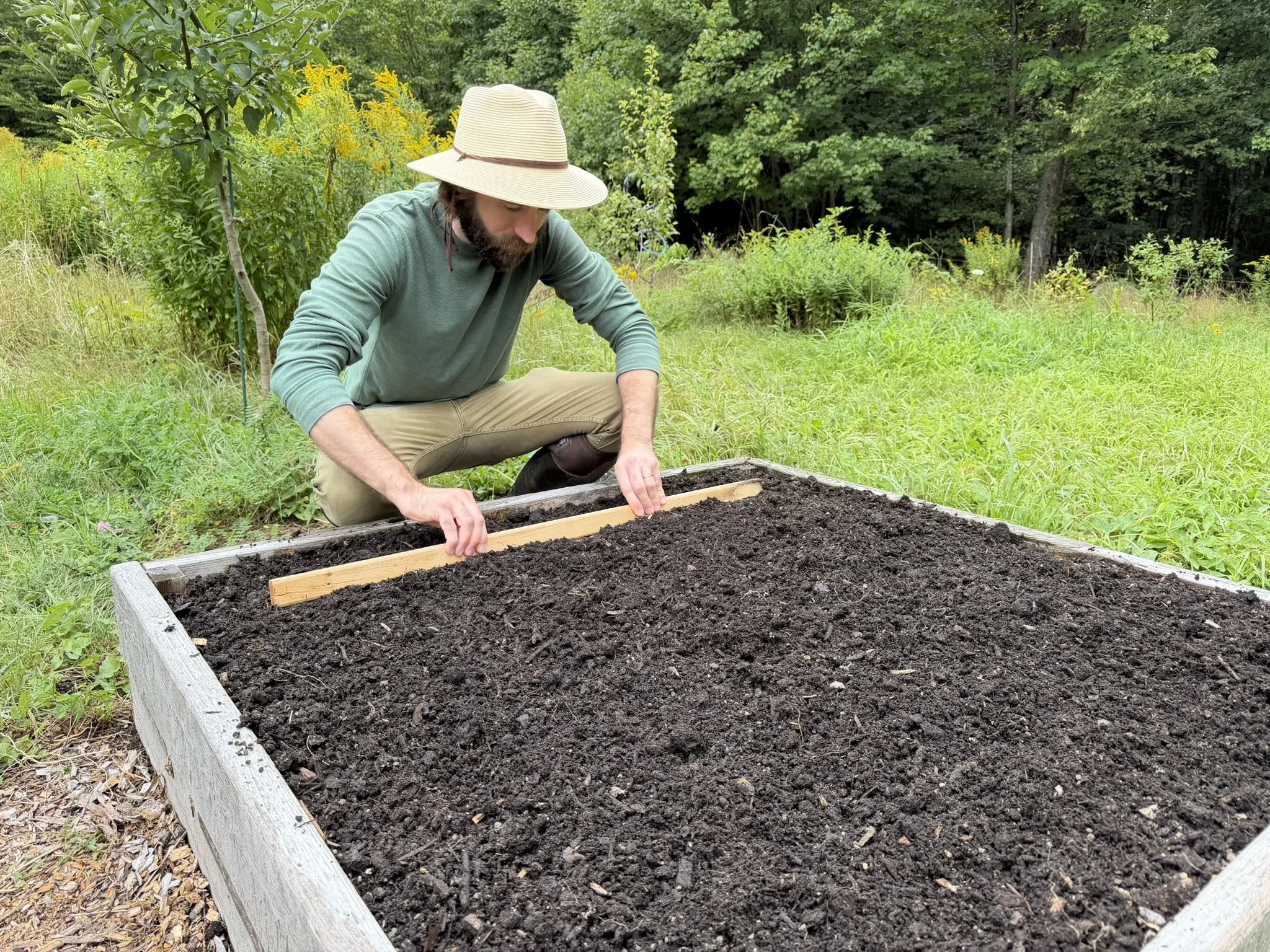
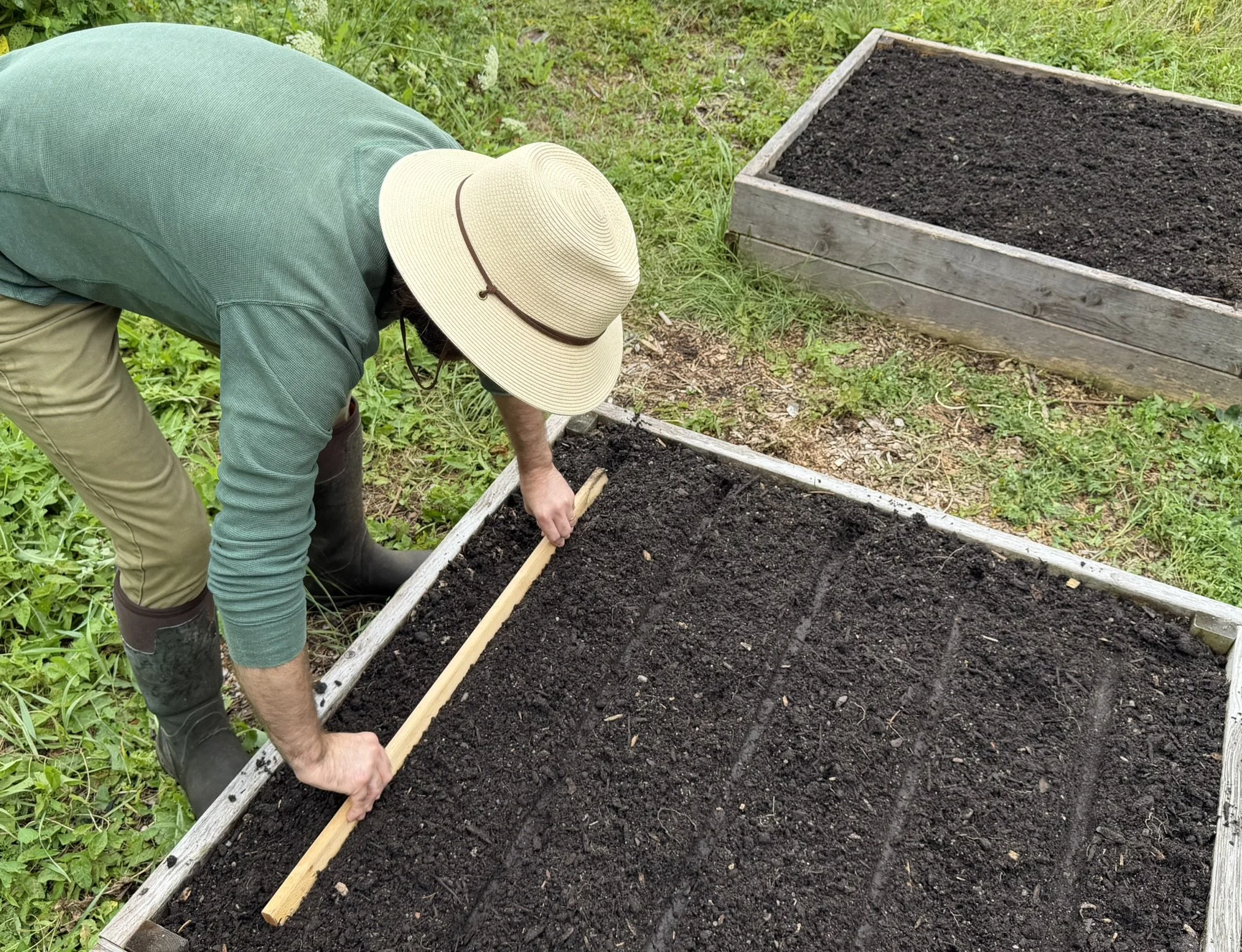
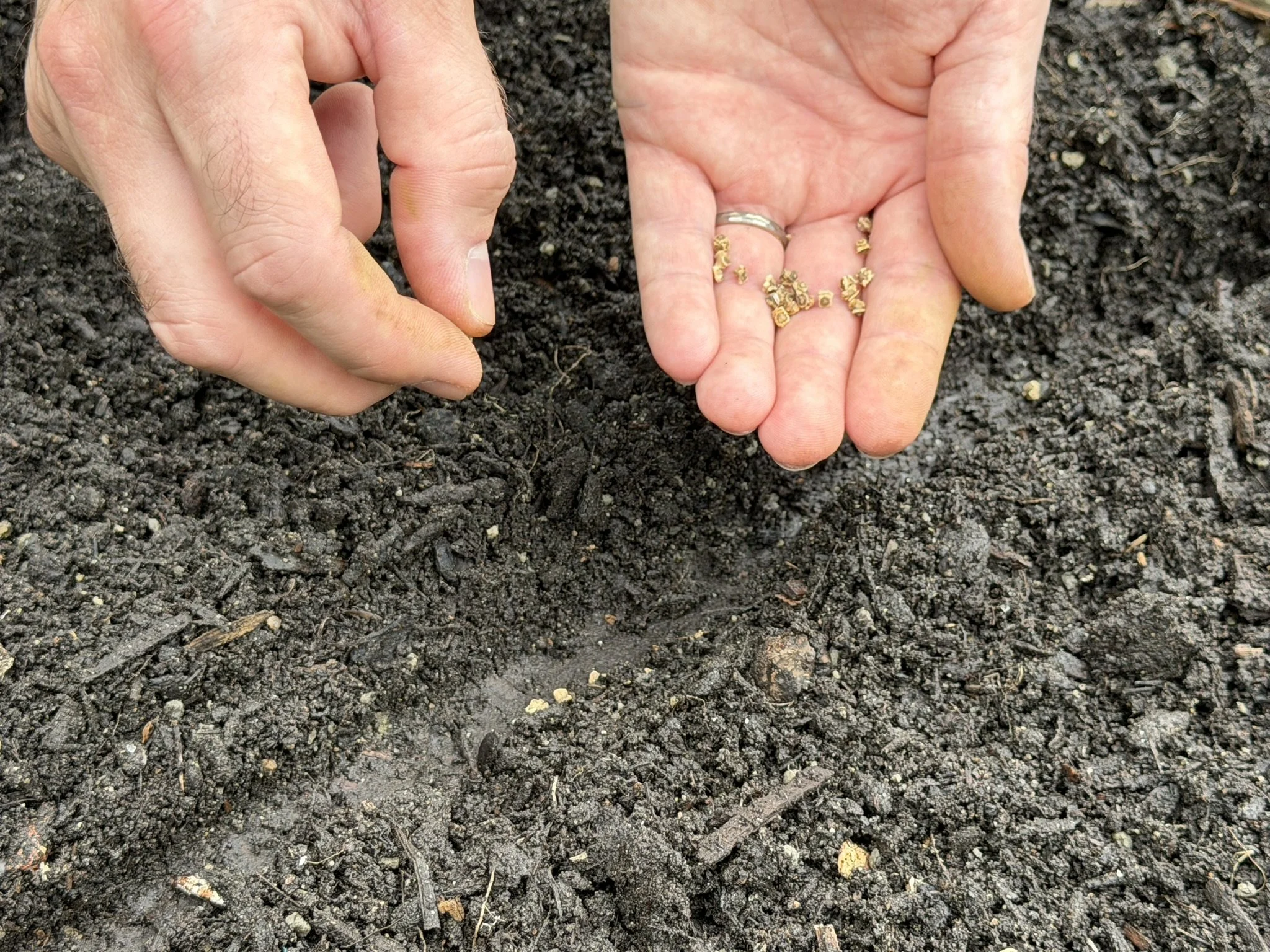
Using a 3½-foot piece of scrap 1-by-2 lumber, I pressed a series of narrow trenches into the compost. I made them about three-quarters of an inch deep and spaced them about 10 inches apart. Into each trench, I dropped the seeds, leaving about half an inch between them. I then carefully covered the seeds and gently pressed the soil with my hands. Once the seeds were safely tucked beneath the black compost, I watered thoroughly, taking care not to displace them.
I then labeled each bed and the sections within it. You may not need to do this, but I find that I can forget what I planted, especially when it is a particular cultivar I want to remember for future plantings. As the seeds germinate, I’ll cut or pull some of the seedlings to reduce crowding. I usually aim for four to six inches between radishes, eight to 10 inches between beets, and 10 to 12 inches between broccoli raab plants. The peas can be thinned to three or four inches apart. You can eat the shoots as you thin them, too! They’re tasty in salads and make a fun garnish.
When selecting seeds for a fall harvest, I check the maturity period, often listed as “days to harvest,” on the seed packet. Here in coastal Downeast Maine, our first frost typically arrives around the second week of October. When planting in late summer, I try to choose crops that will be ready within 60 days, even if I may have more time. Colder nights and dwindling daylight can slow growth as summer transitions into fall. Quicker is safer. If I see especially cold nights in the forecast, below 28 degrees, I may add some protection.
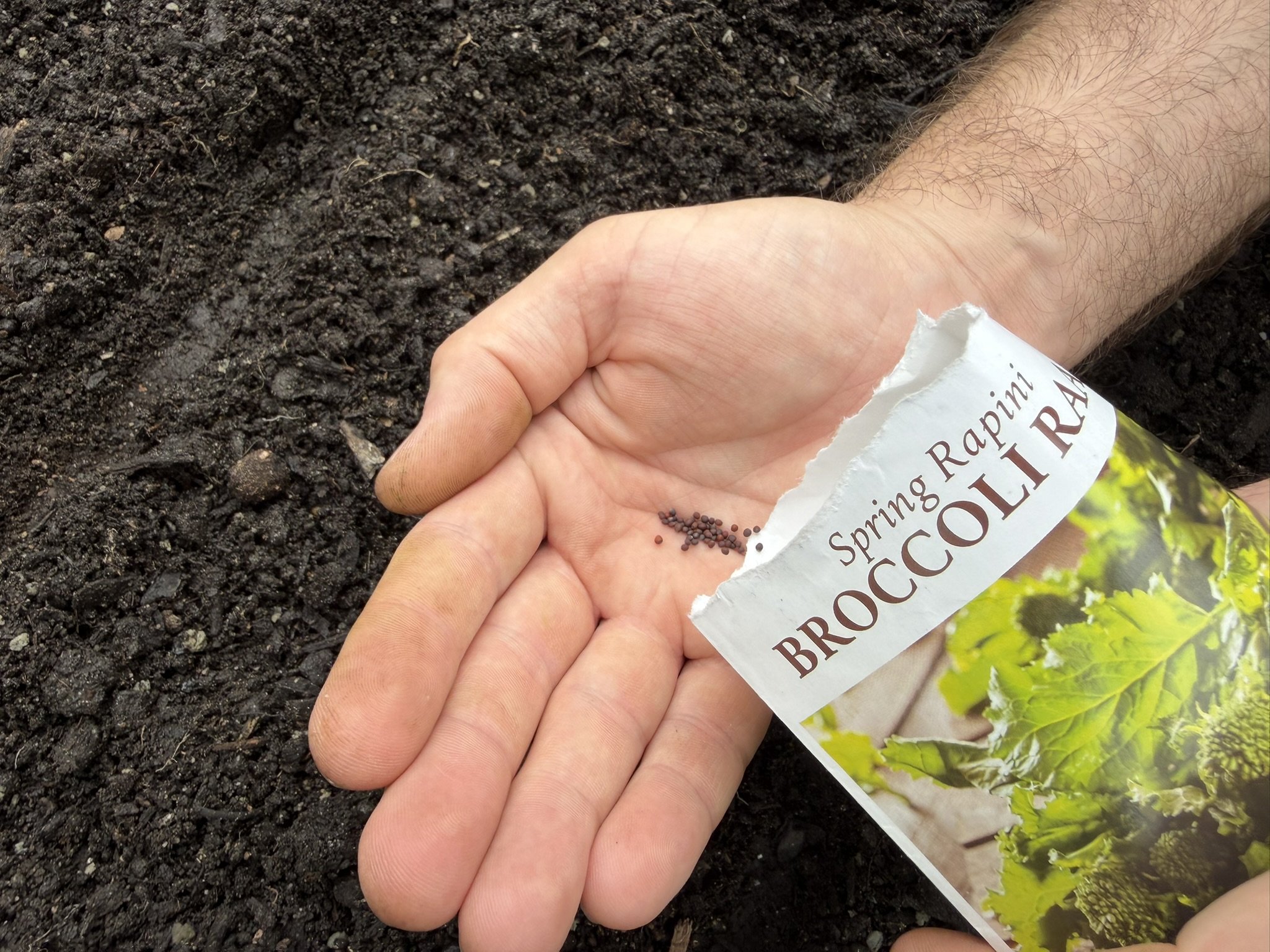
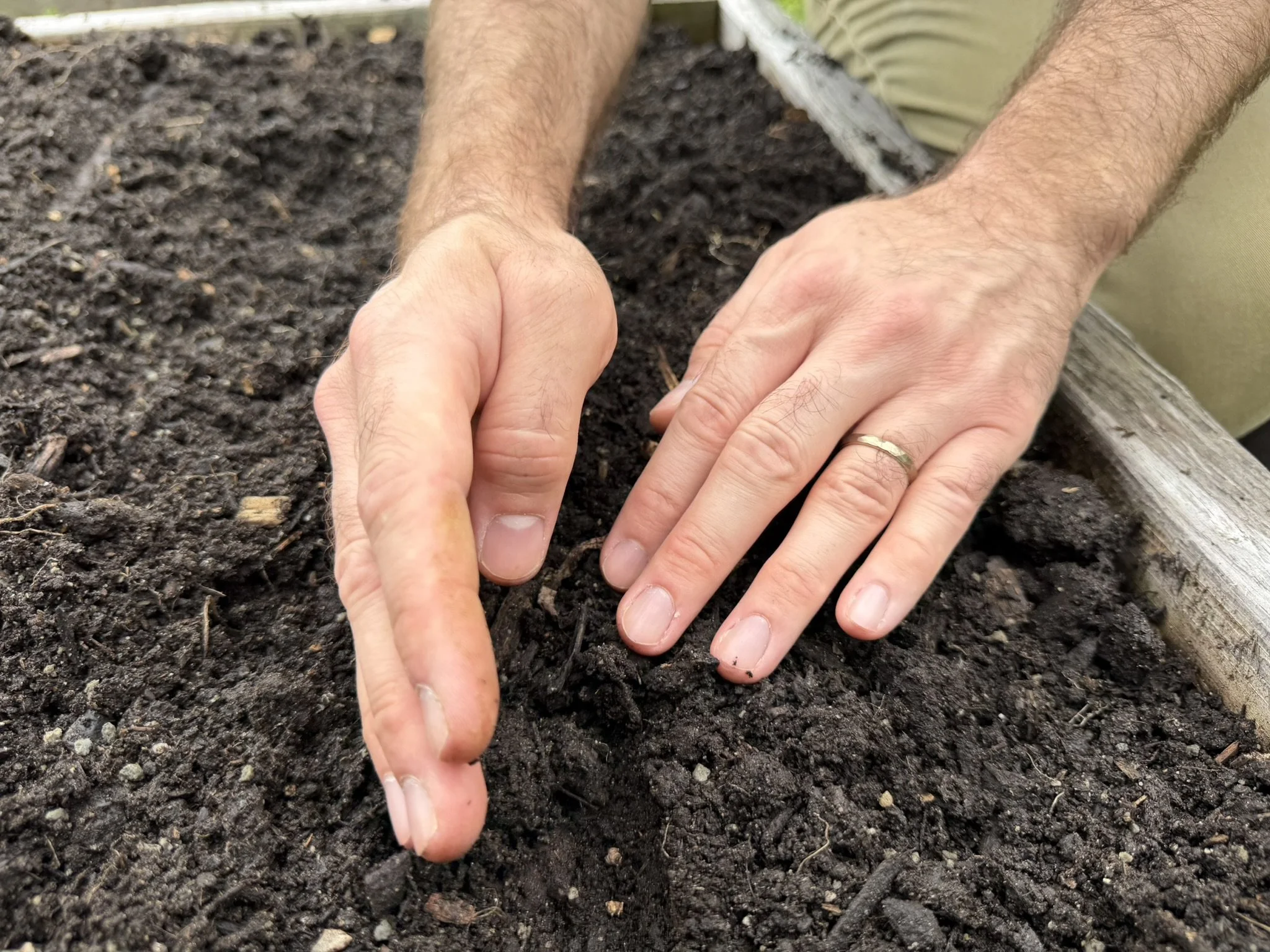
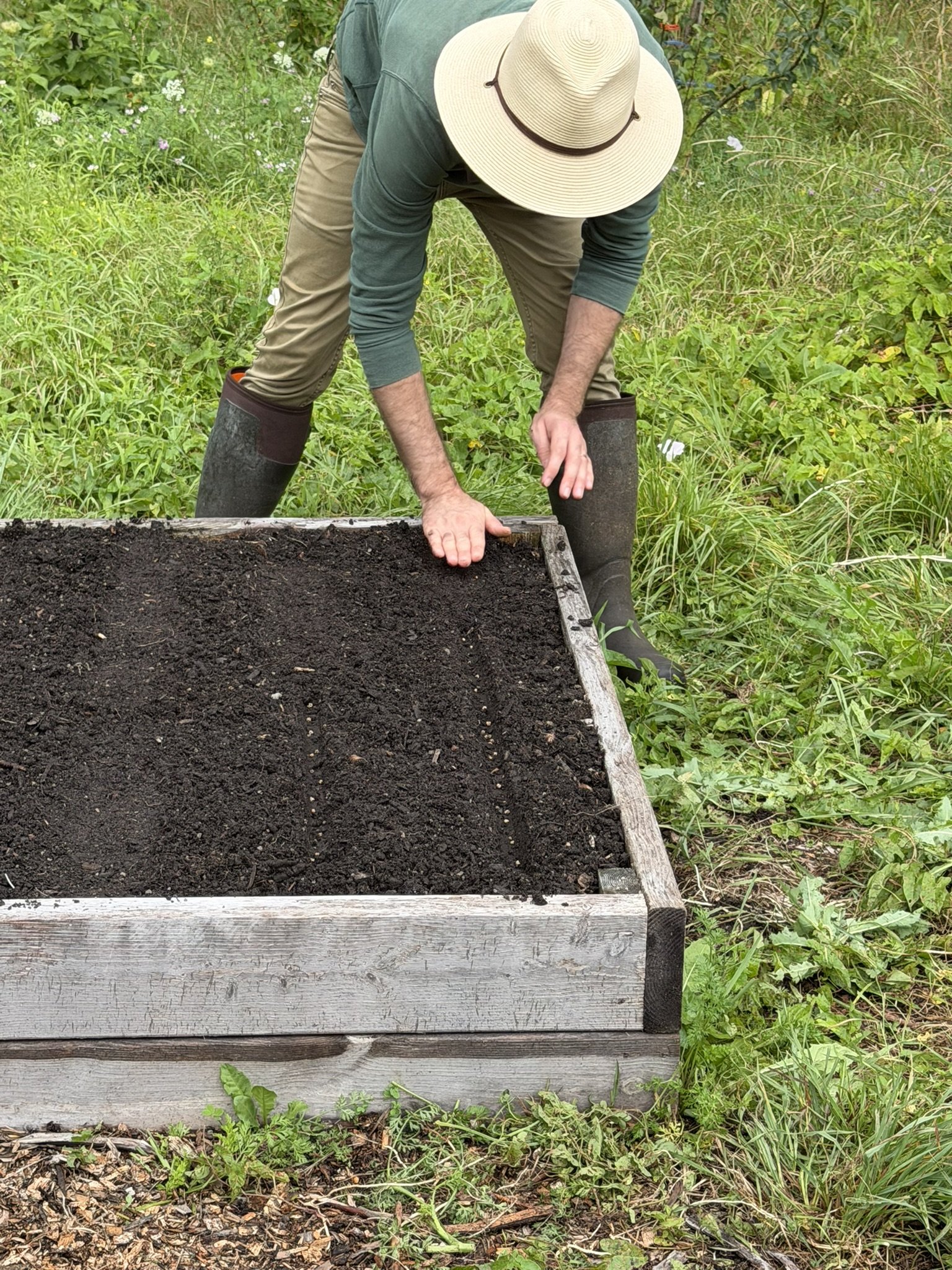
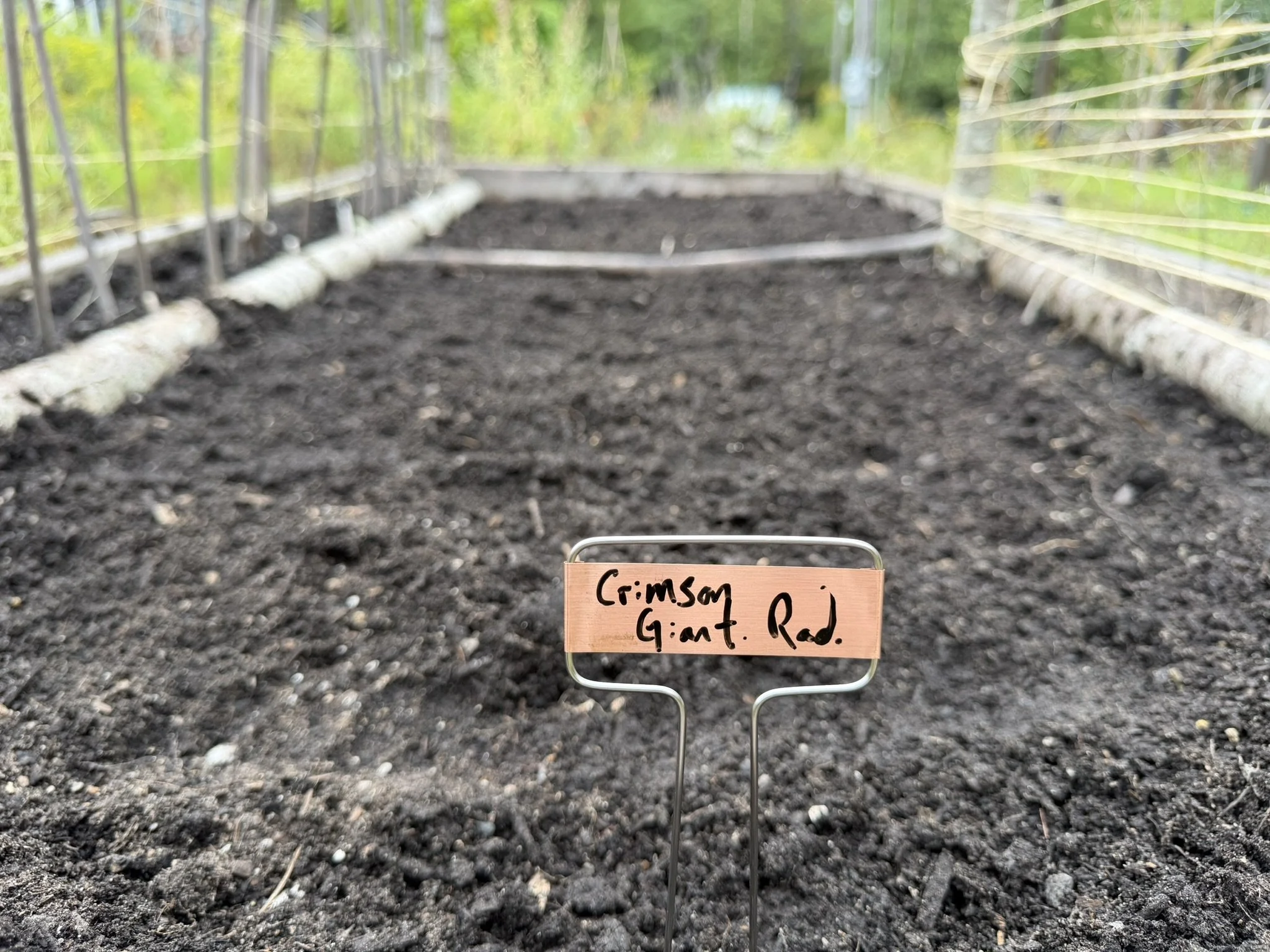
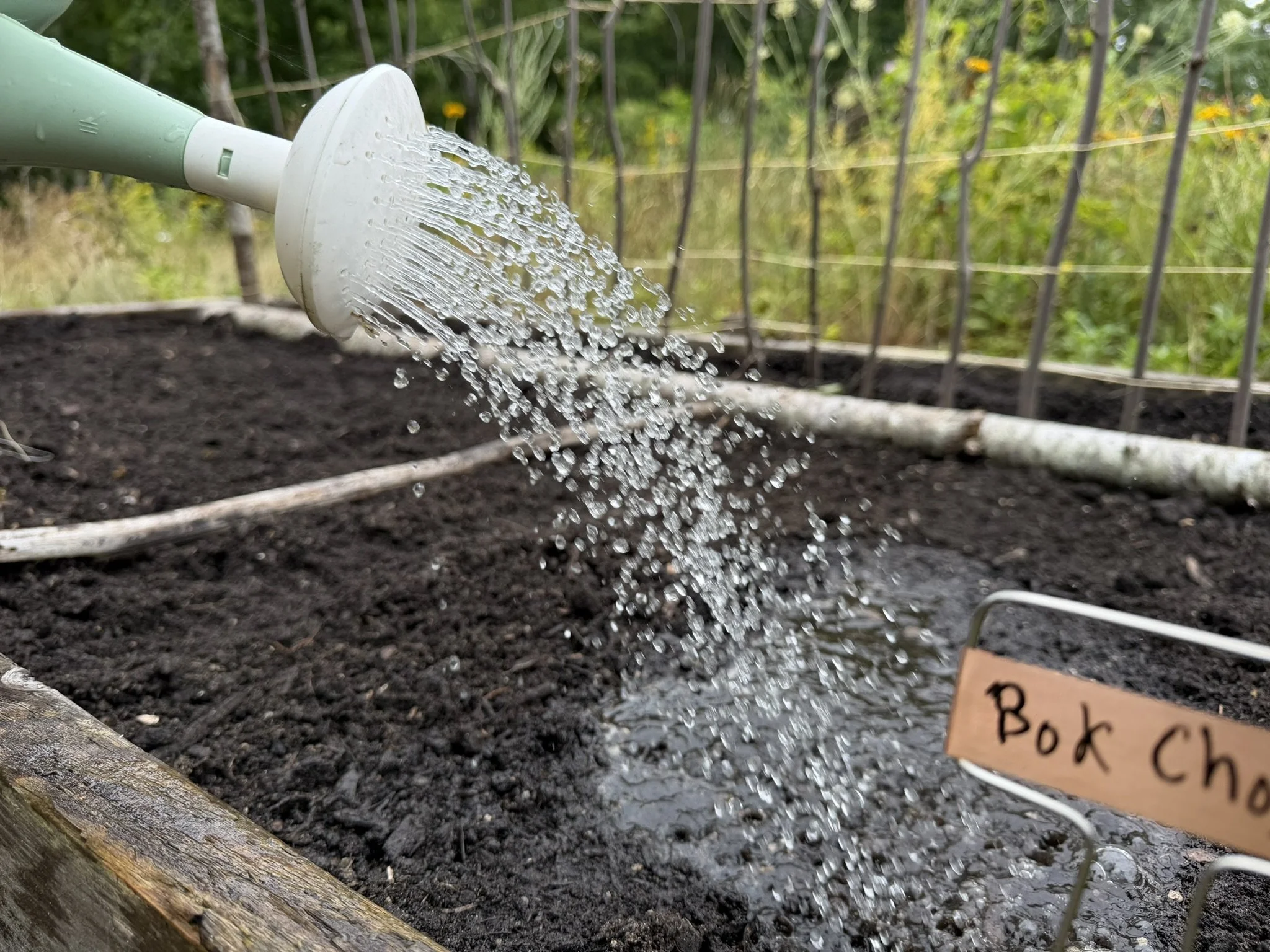
In addition to making use of otherwise empty garden space, fall-planted crops are delicious. All the vegetables I selected for this late-summer planting tolerate a light frost and benefit from cooler weather. Peas and beets exposed to the brisk fall air become sweeter. Radishes remain crisp and can develop a mild, almost turnip-like flavor. Broccoli raab and bok choy lose some of the bitter notes they might develop in the heat of summer. Perhaps best of all, many of the pests that plague these plants earlier in the growing season are absent at this time of year.
If you have some newly vacant space in your garden, perhaps a bed that held bolted greens or one now occupied by tired, seedy herbs, you may have time for one more harvest before the snow flies. Fall might be approaching, but with a packet of seeds and a little compost, the vegetable garden still has time for an encore.